"GlucosAlarm" - Glucose Analyzer Product (Toilet-Mounted)
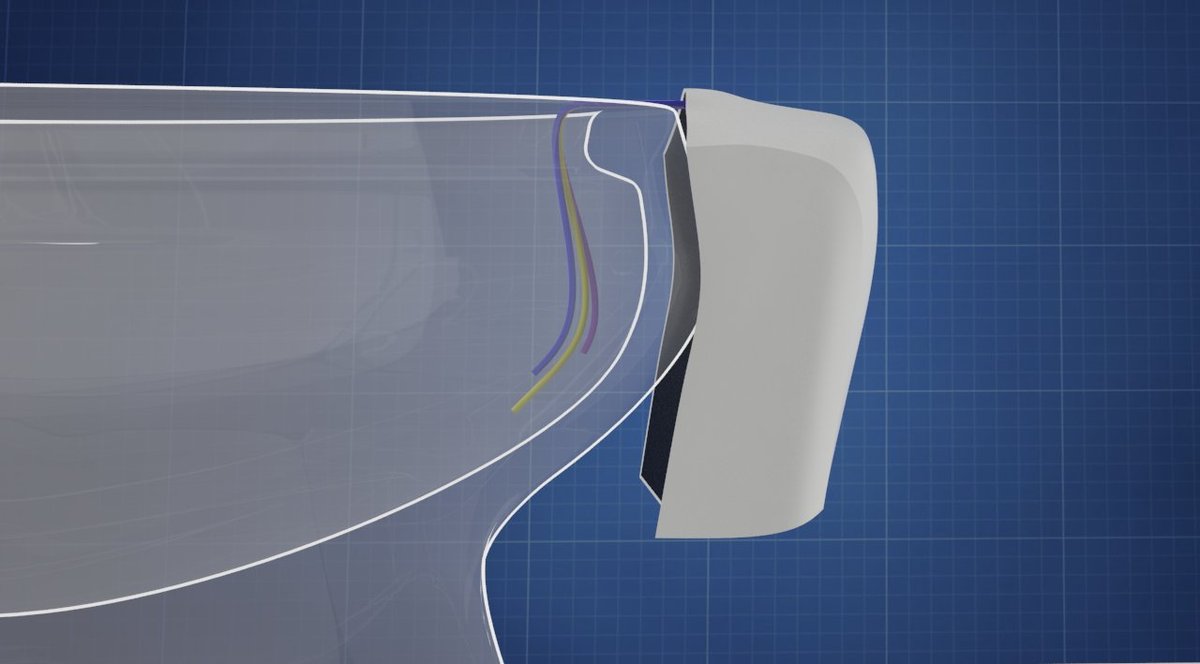
"GlucosAlarm" - Glucose Analyzer Product (Toilet-Mounted)
Designed protective shell and adaptable mount for heavy-duty electronic tablet running Pilot software for vehicle/logistics management in high-traffic environments.
Need for non-invasive, automated home glucose monitoring integrated into daily routine via toilet sampling.
Requirements
Integrate components in wall-hung enclosure with urine collection; build MVP (v1) for functional testing; refine for aesthetics, usability, and DFM (v2) for 3D printing and exhibitions.
Outcomes
Delivered v1 MVP and v2 styled prototype; supported proof-of-concept testing and patent applications (uncredited as designer).
Skills
Tools
Project Collaborators
- Carlos Bernal — Technology Owner
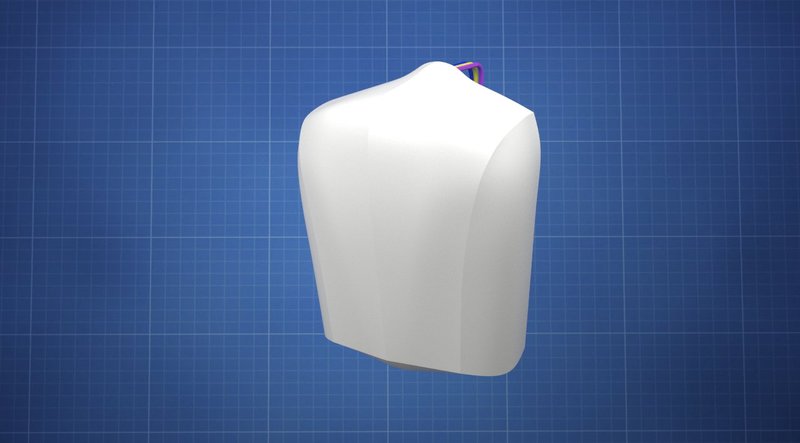
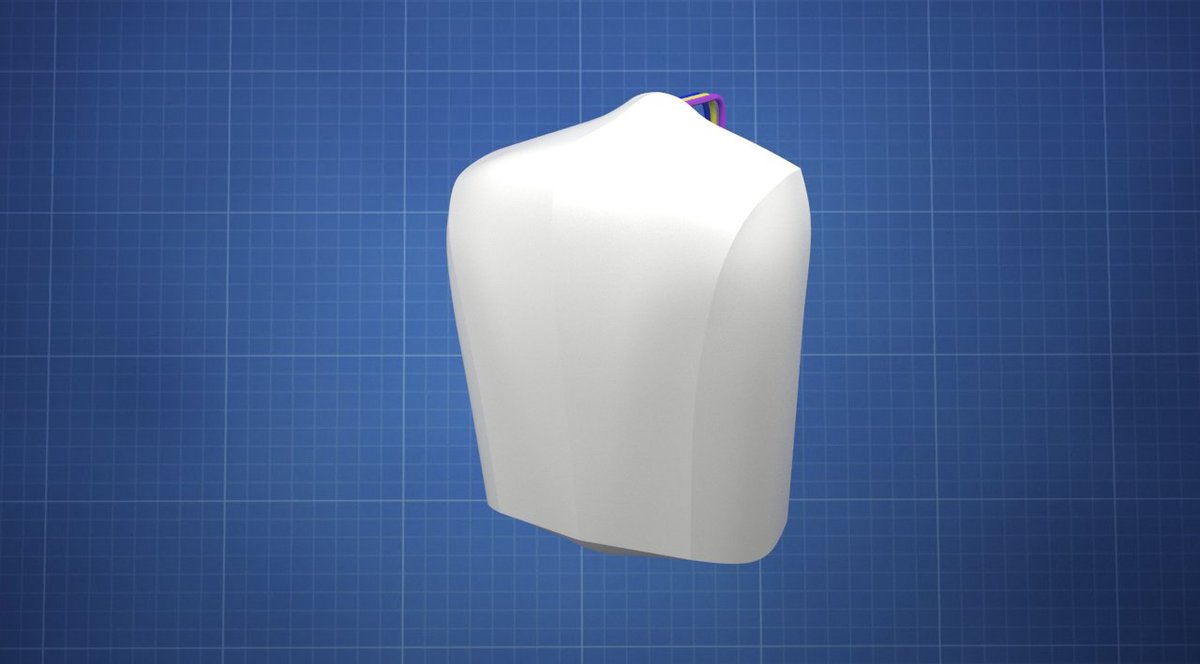
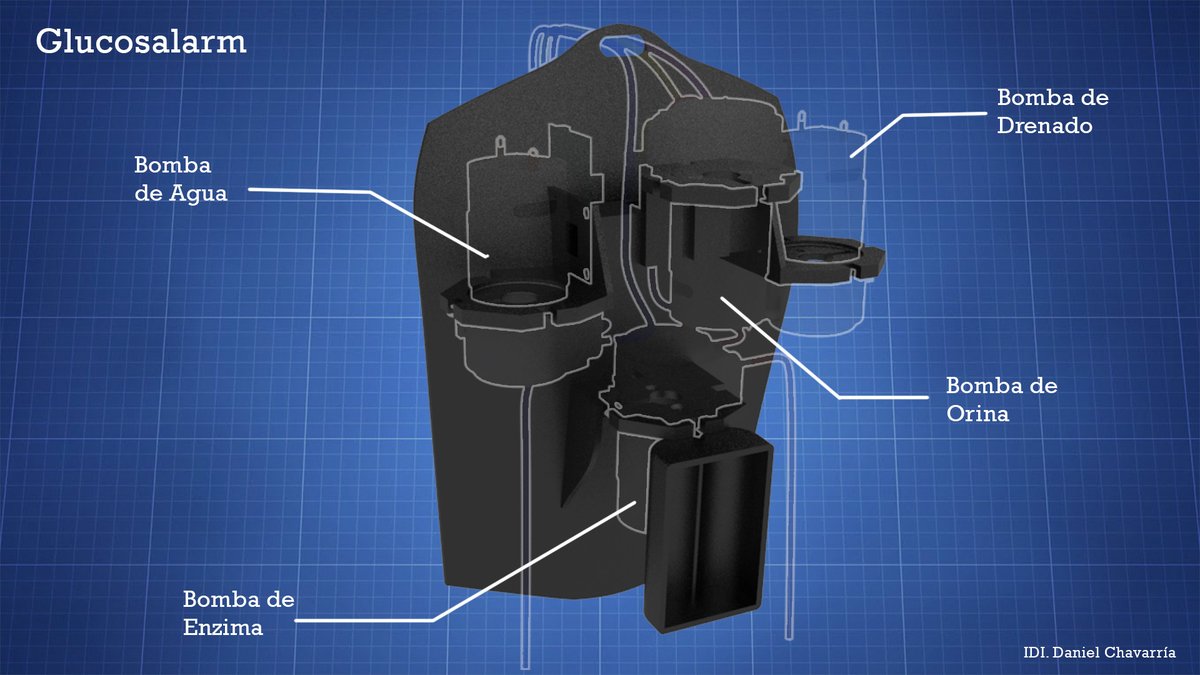
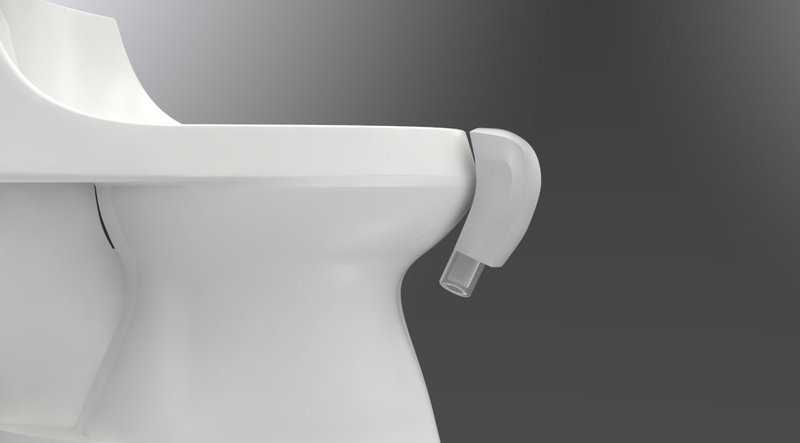
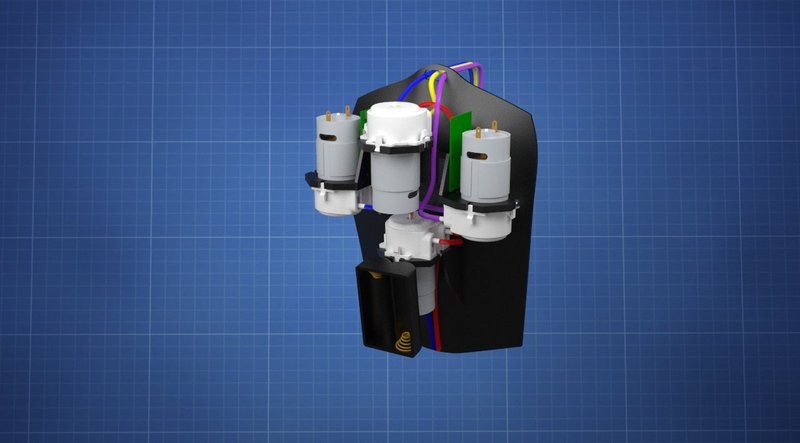
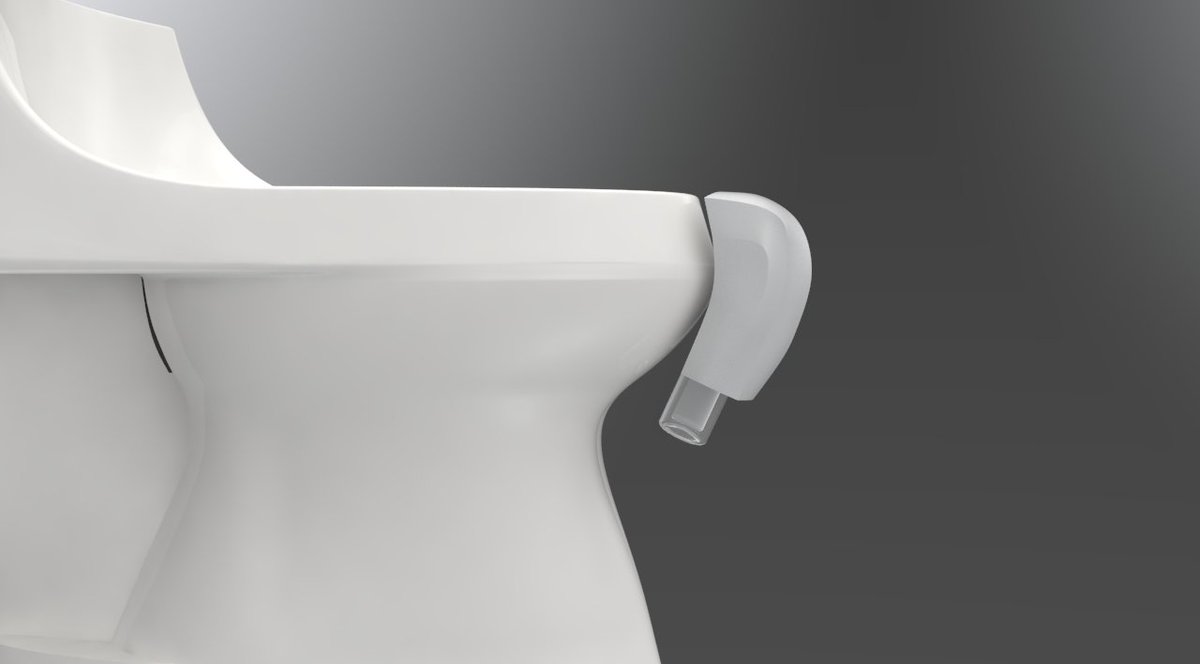
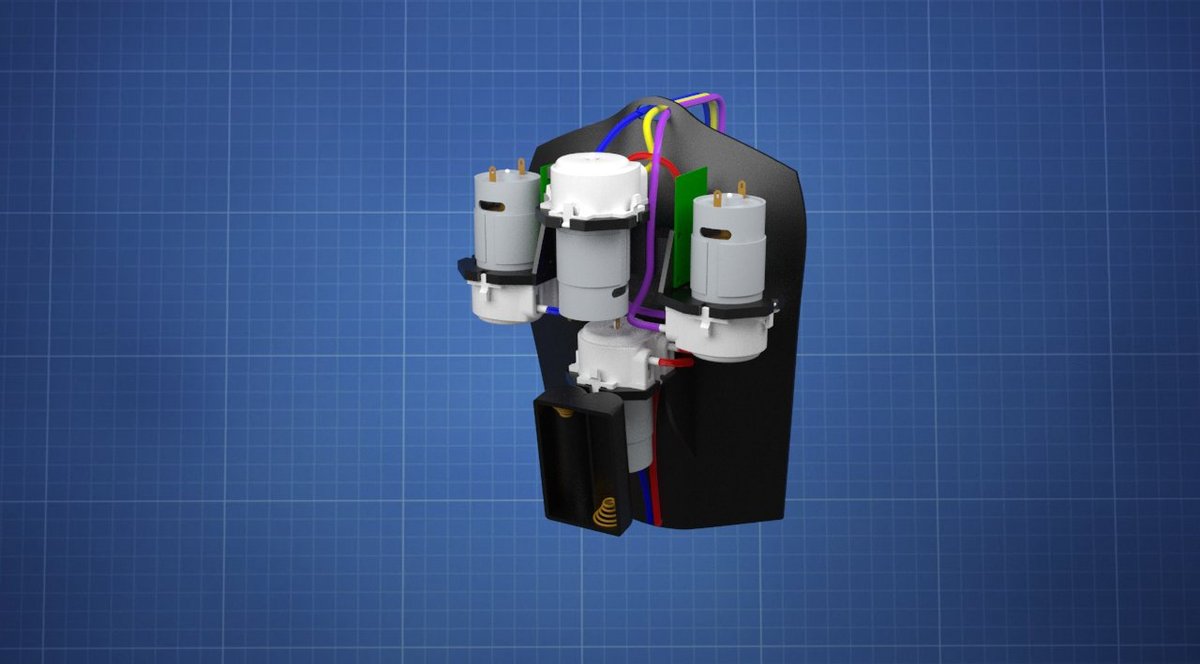
As a freelance industrial designer, I collaborated on GlucosAlarm, a innovative toilet-hung device for automated, non-invasive urine glucose measurement. It integrates sensors, chemical solutions, peristaltic pumps, and Bluetooth connectivity to provide seamless home monitoring for diabetes management. My role focused on designing the enclosure and system to fit all components while ensuring functionality, usability, and manufacturability. I delivered a functional MVP (v1) for testing and a refined prototype (v2) optimized for aesthetics, design for manufacturing (DFM), and exhibition readiness. This project supported proof-of-concept testing and patent applications, where I contributed uncredited design expertise.
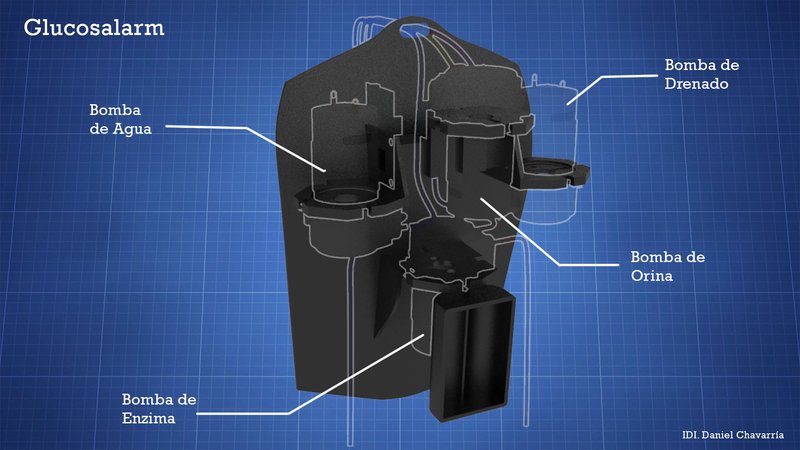
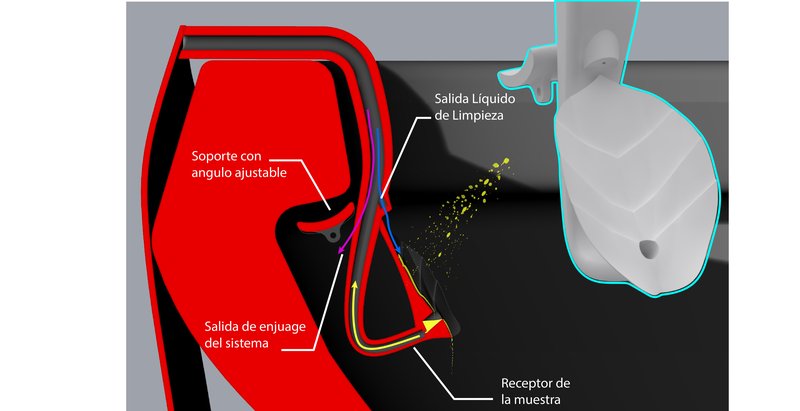
The client had pioneered a technology to measure glucose levels via urine analysis: a small urine sample mixes with a reactive compound, and an electronic sensor calculates the glucose content. I was tasked with creating a minimum viable product (MVP) that housed all components—respecting material and technological constraints—while mounting securely on various toilet seats. The design needed to capture a precise urine sample, process it, dispose of waste, and self-clean using a dedicated solution, all integrated into daily routines without disruption.
Research
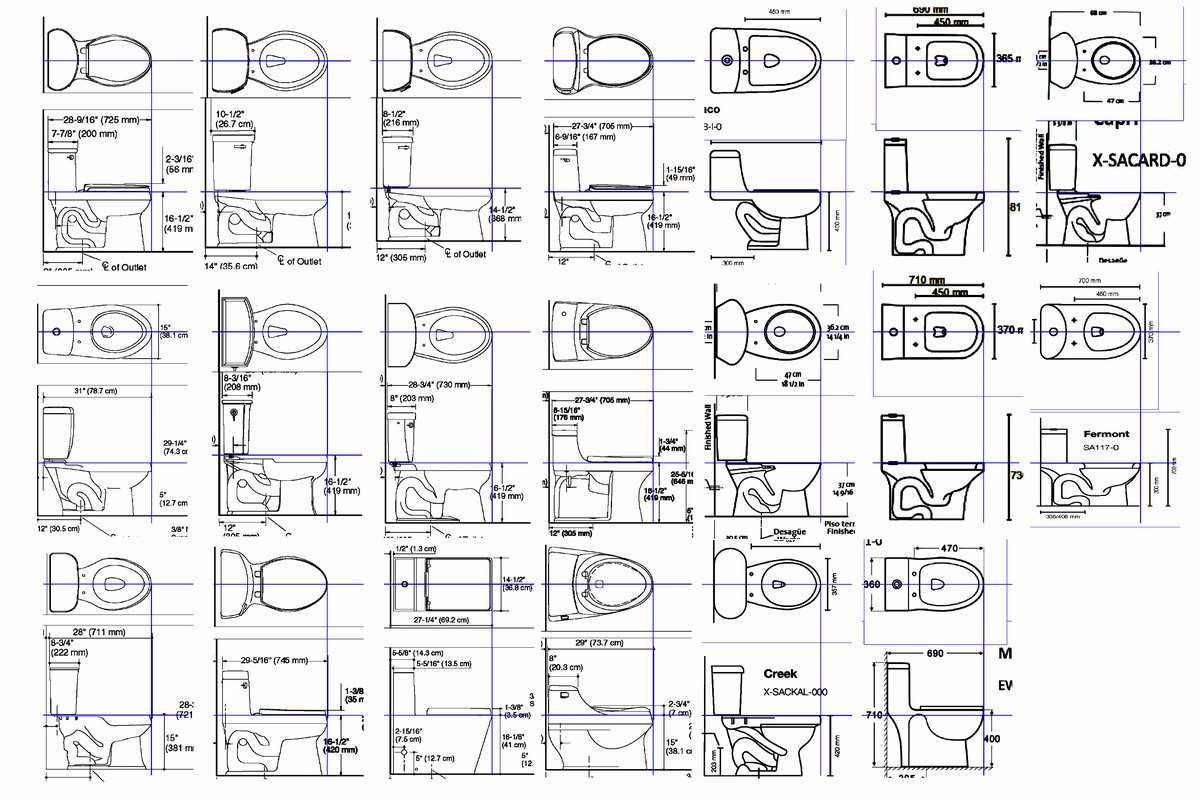
To ensure broad compatibility, I researched diverse toilet seat designs across brands, styles, and models. I collected reference images and used CAD tools to define universal curves that accommodate approximately 90% of common toilet geometries. This groundwork informed a adaptable mounting system, balancing ergonomics and stability.
Design
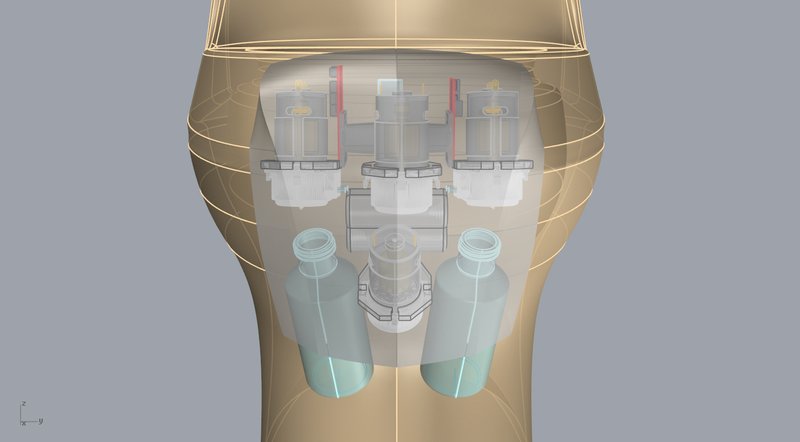
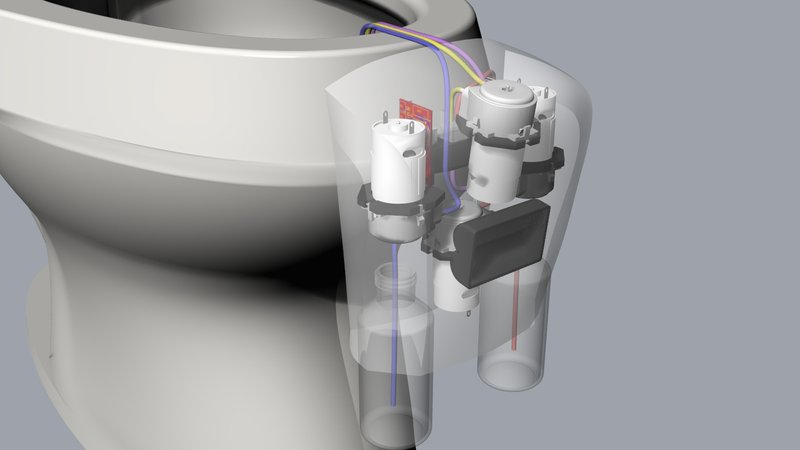
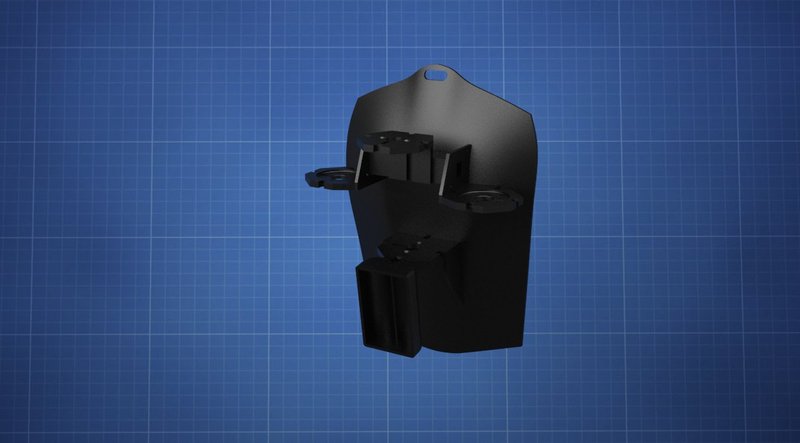
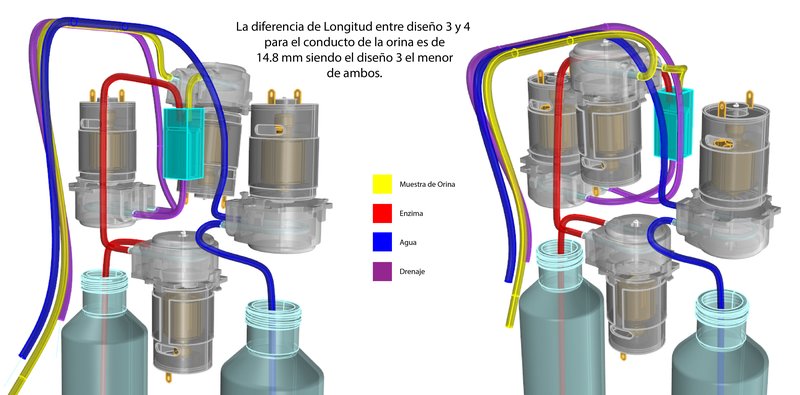
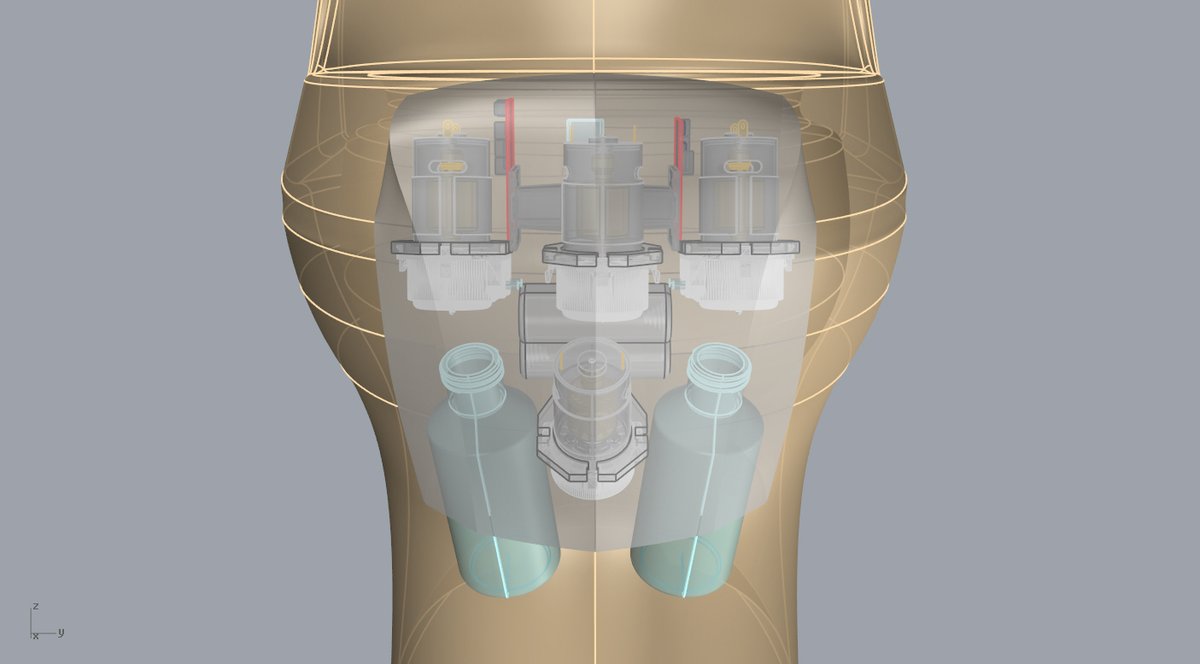
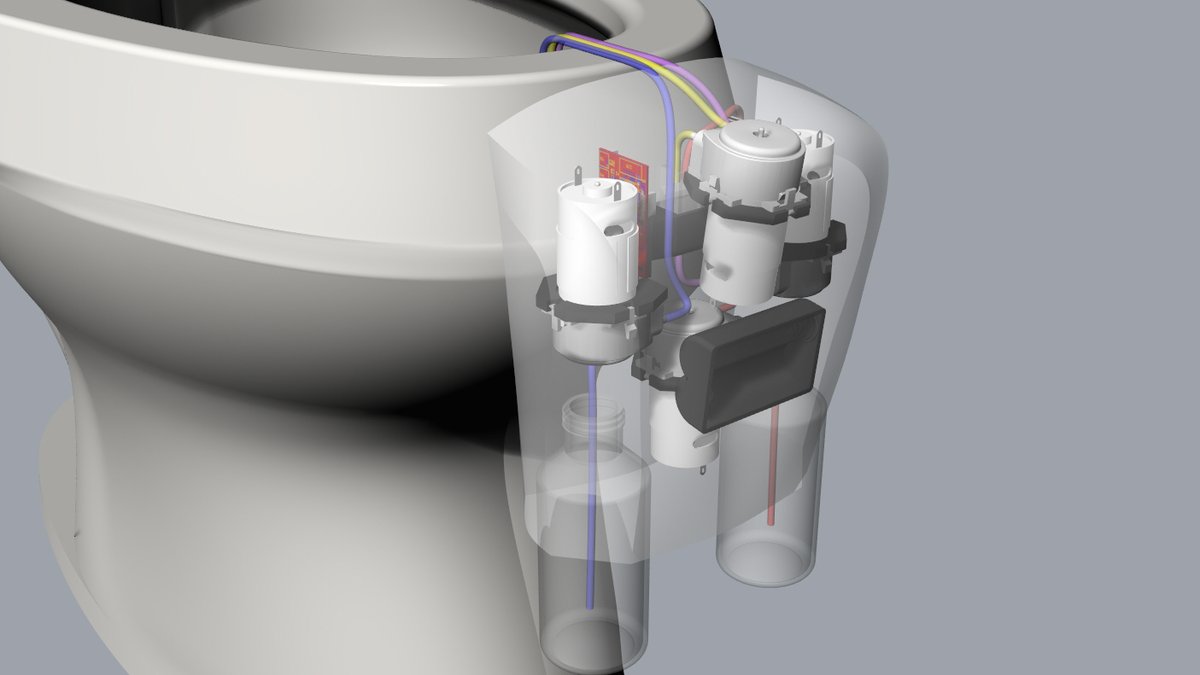
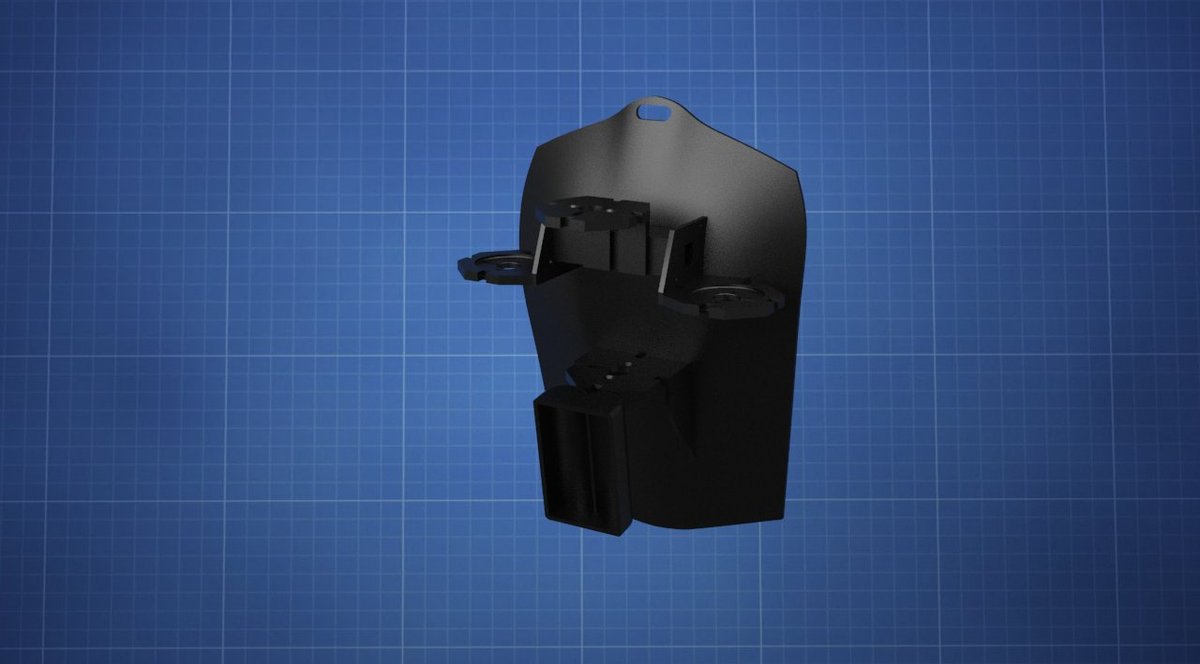
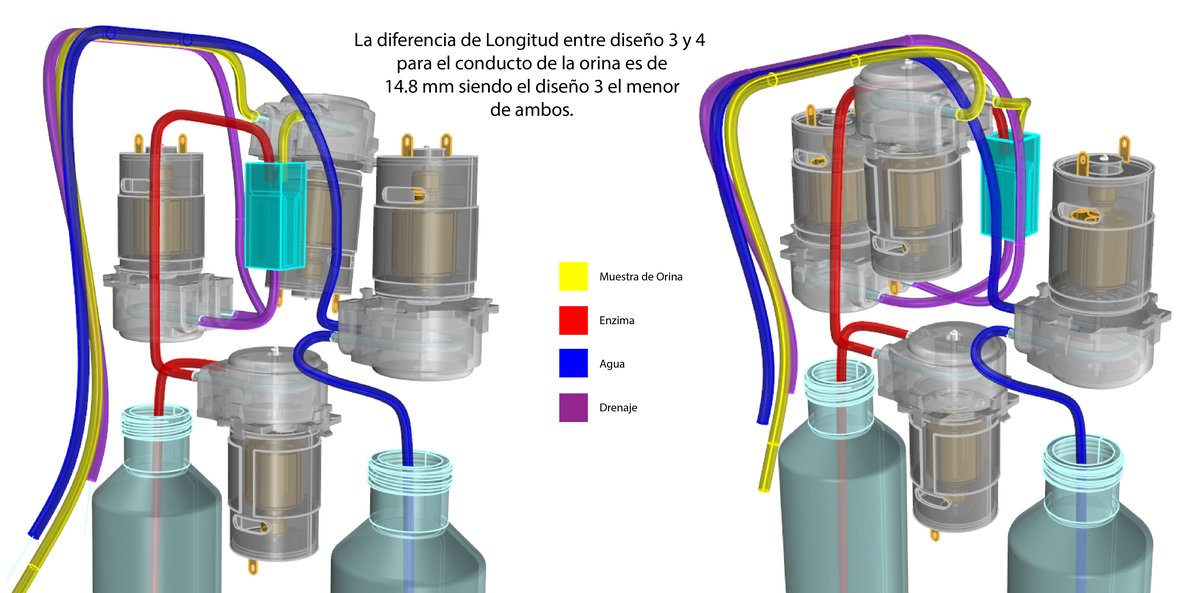
The core challenge was compacting components into a user-friendly package. For v1, I incorporated off-the-shelf 150ml bottles for solutions, enabling quick MVP assembly for client testing and iteration. In v2, I custom-designed bottles and optimized the layout to minimize size, enhance DFM, and improve maintenance access.
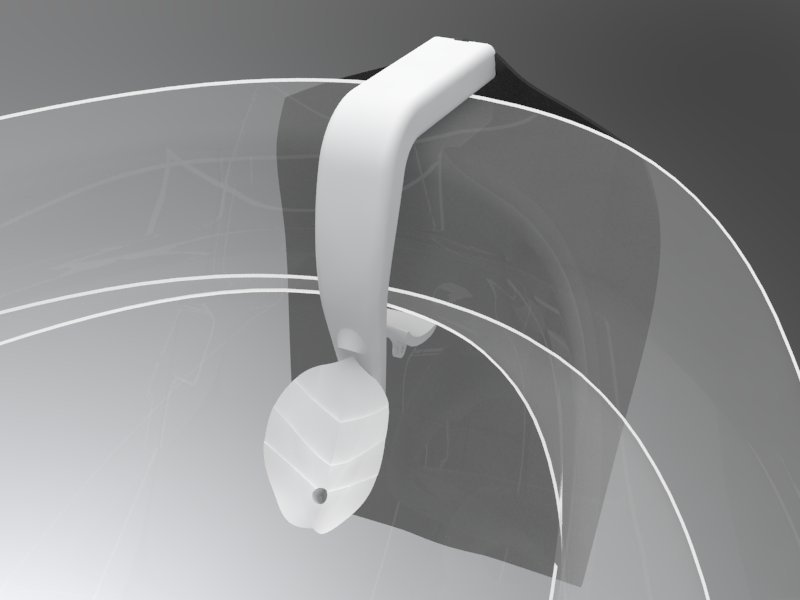
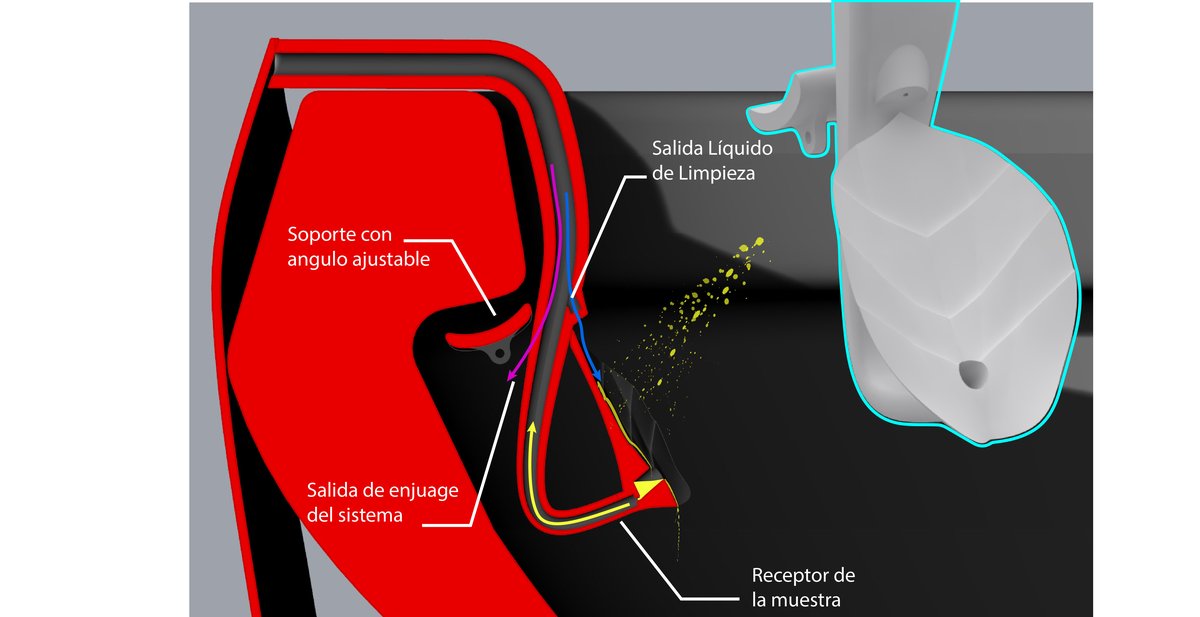
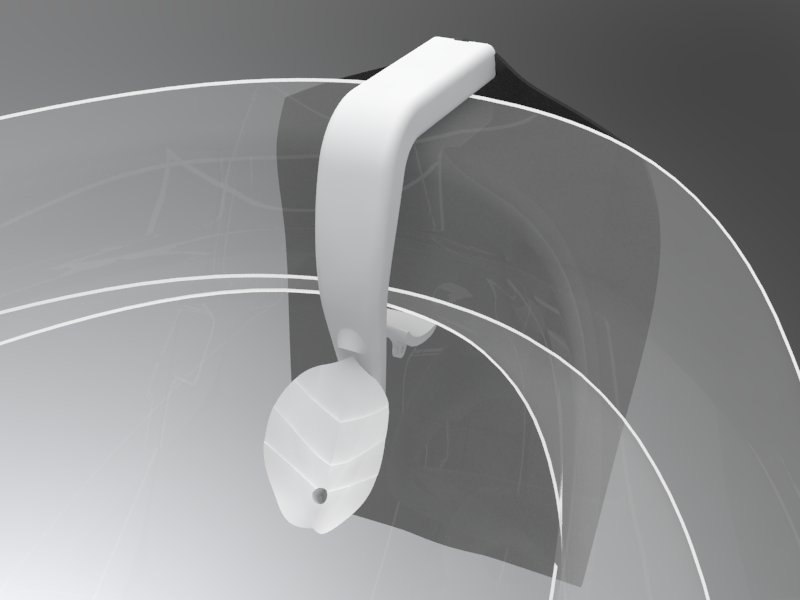
Aesthetically, I prioritized smooth, white surfaces for easy cleaning and to evoke hygiene—addressing a key user concern. The urine receptacle, inspired by a plant leaf's natural contours, funnels a exact sample volume into the sensor while allowing excess to drain and facilitating thorough rinsing with cleaning solution. This biomimetic approach not only solved functional needs but added an organic elegance to the form.
Challenges and Opportunities
Engaged through a third-party intermediary, I faced triangulated communication that slowed iterations and clarification. In retrospect, I'd advocate for direct client access and hands-on prototyping—leveraging their in-house 3D printer for faster feedback. Despite this, 98% of my models were approved with minimal adjustments for printability. This experience honed my remote collaboration skills and underscored the value of agile, direct prototyping in refining designs efficiently.