"GlucosAlarm Strips" - Keychain Urine Strip Analyzer
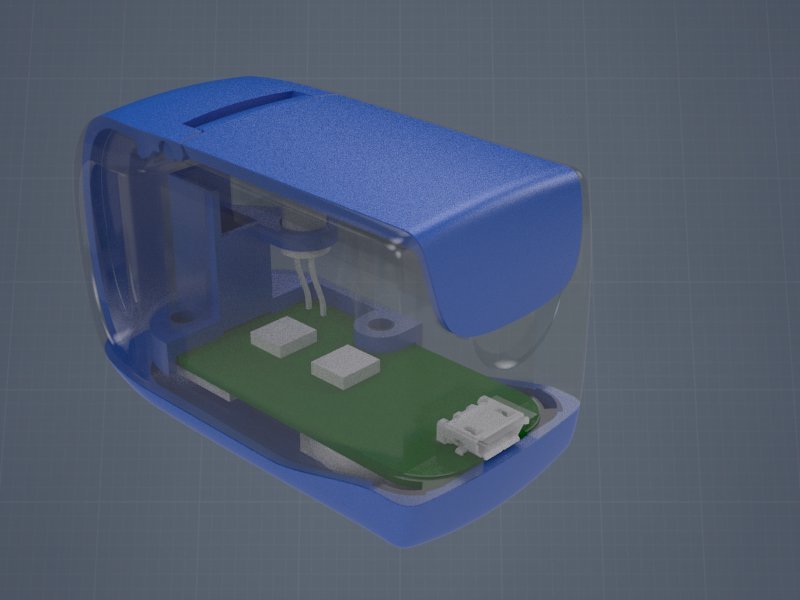
"GlucosAlarm Strips" - Keychain Urine Strip Analyzer
Compact industrial design for portable glucose measuring device using reactive paper strips.
Need for non-invasive, automated home glucose monitoring integrated into daily routine via toilet sampling.
Shift to portable, user-friendly alternative for urine-based glucose testing without fixed installation.
Requirements
Design keychain-like form for strip insertion and measurement; focus on portability, ease of use, component integration.
Outcomes
Created concepts for engineering changes; project advanced to patent stage (uncredited).
Skills
Tools
Project Collaborators
- Carlos Bernal — Technology Owner
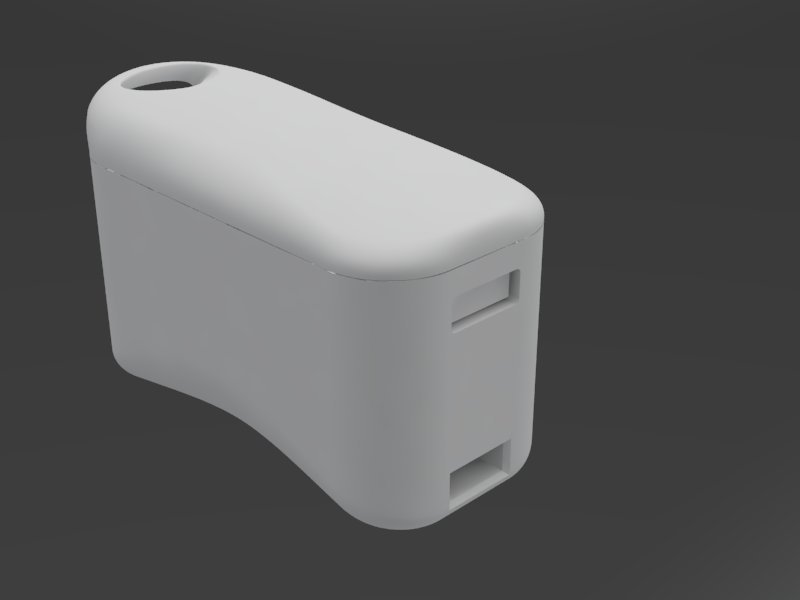
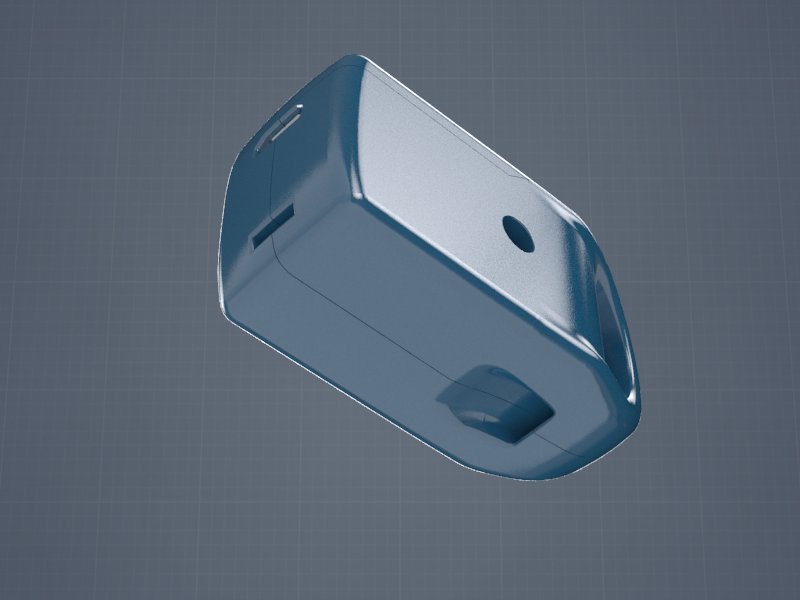
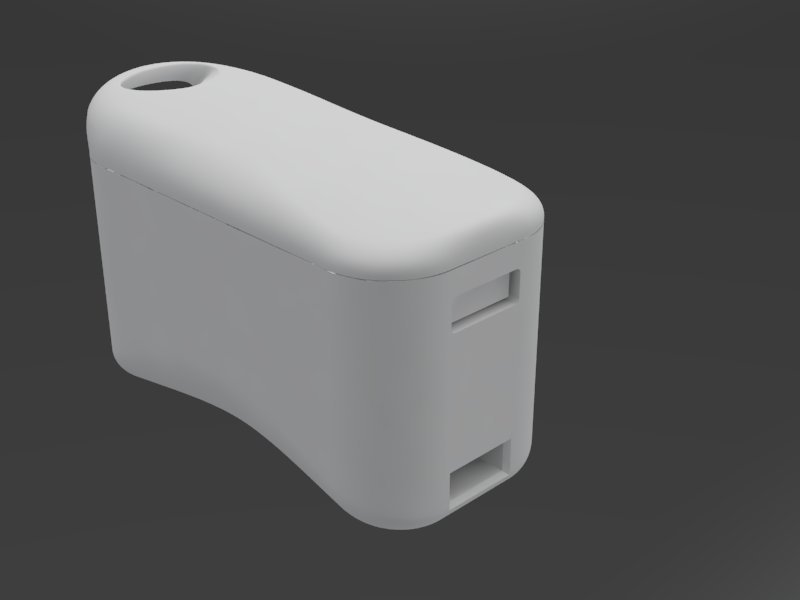
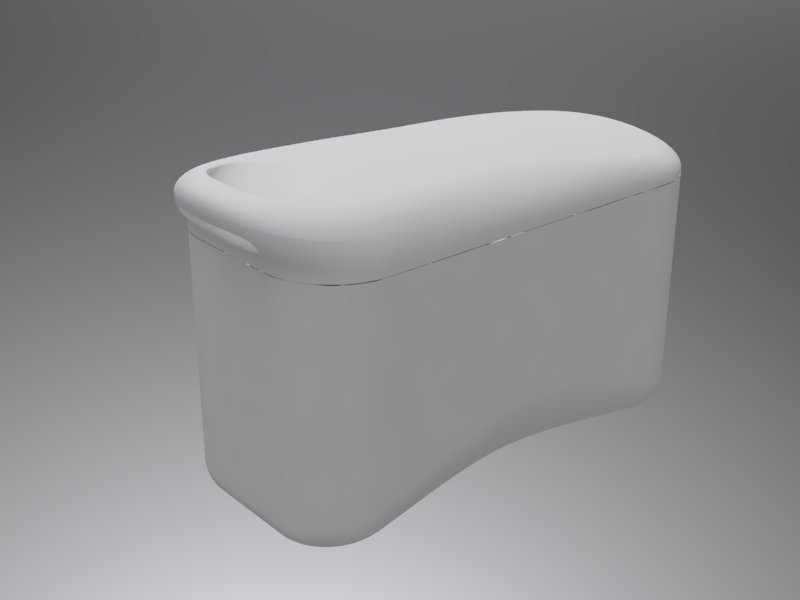
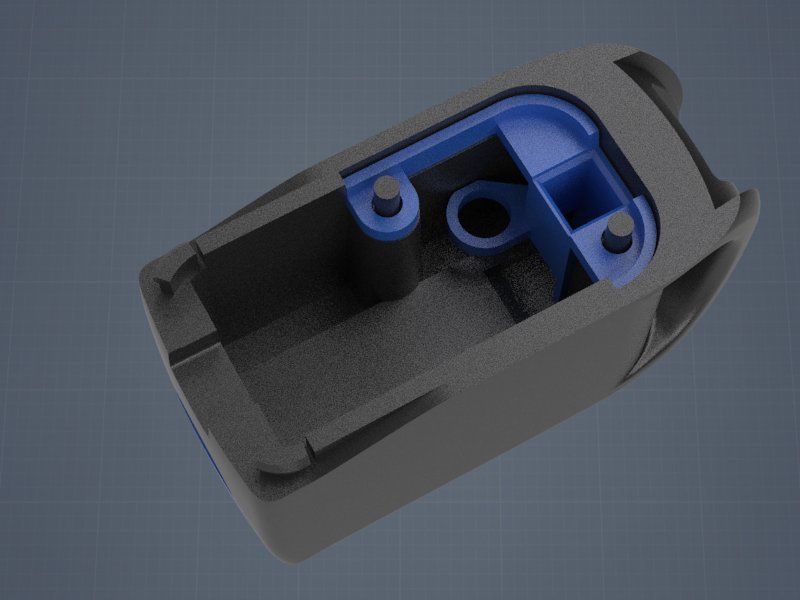
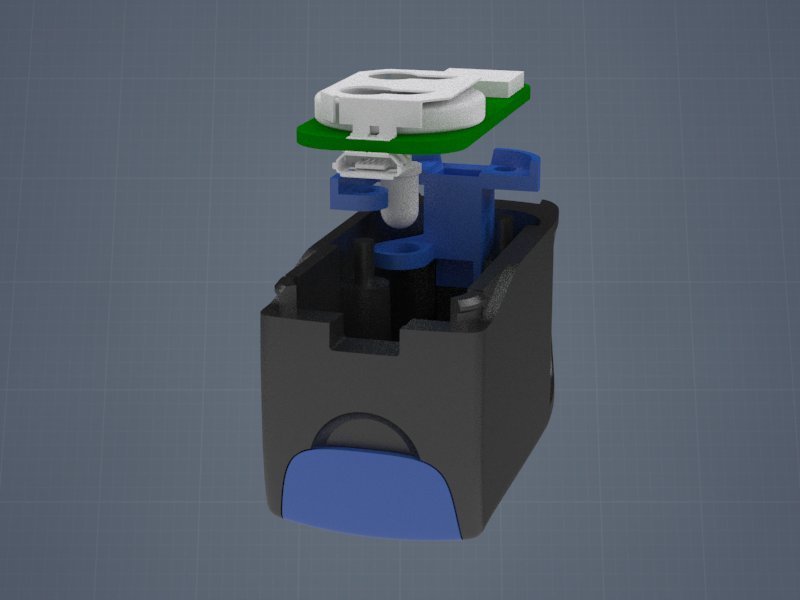
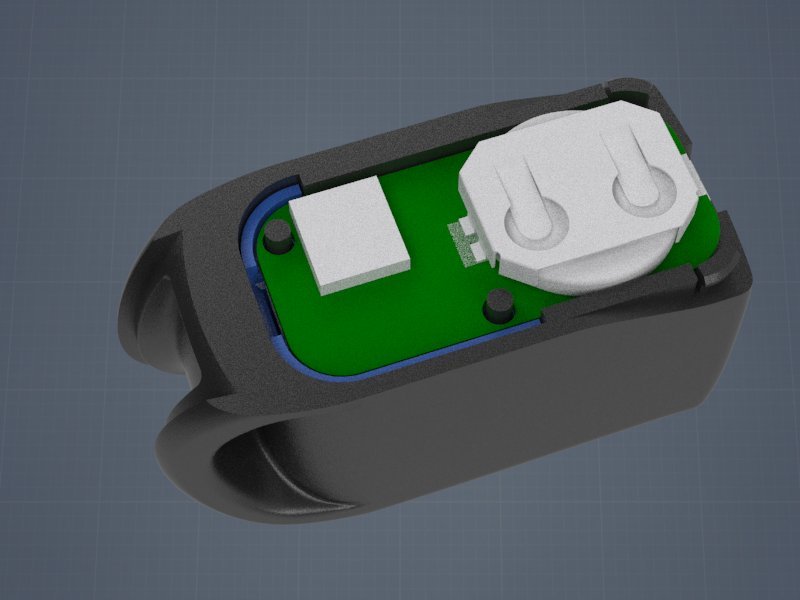
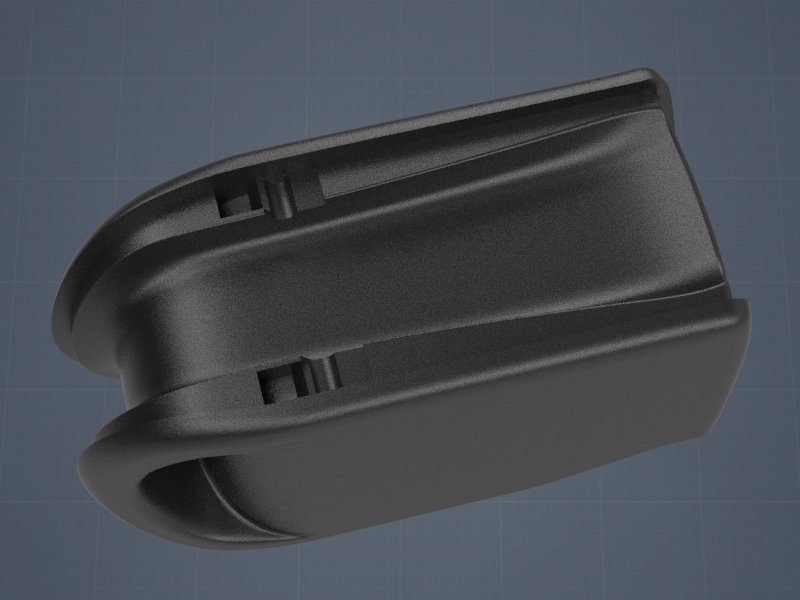
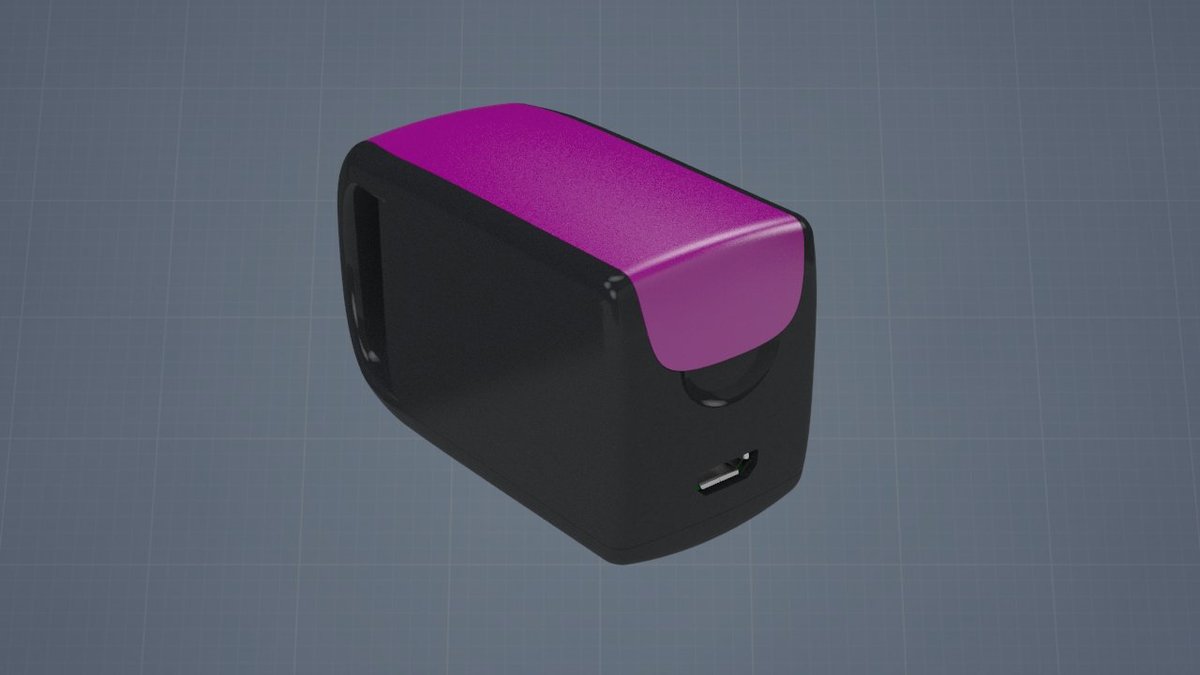
As a freelance industrial designer, I created a compact, keychain-style portable device for GlucosAlarm, enabling non-invasive urine glucose testing with disposable reactive strips. This version shifts from fixed toilet mounting to on-the-go use, integrating into daily routines without installation. I developed concepts, an MVP for 3D printing with a built-in strip storage slot, and engineering adaptations for Bluetooth connectivity. The project progressed to patent filing, supporting proof-of-concept, though my contributions remained uncredited.
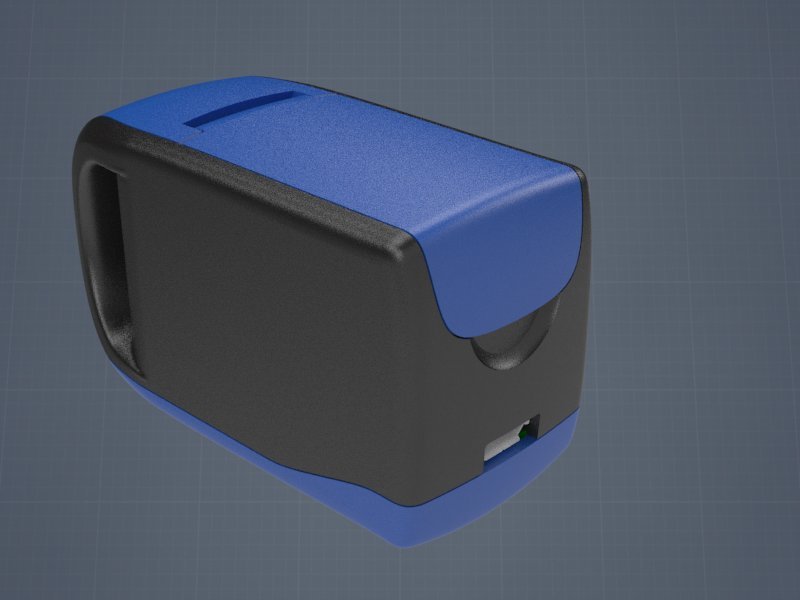
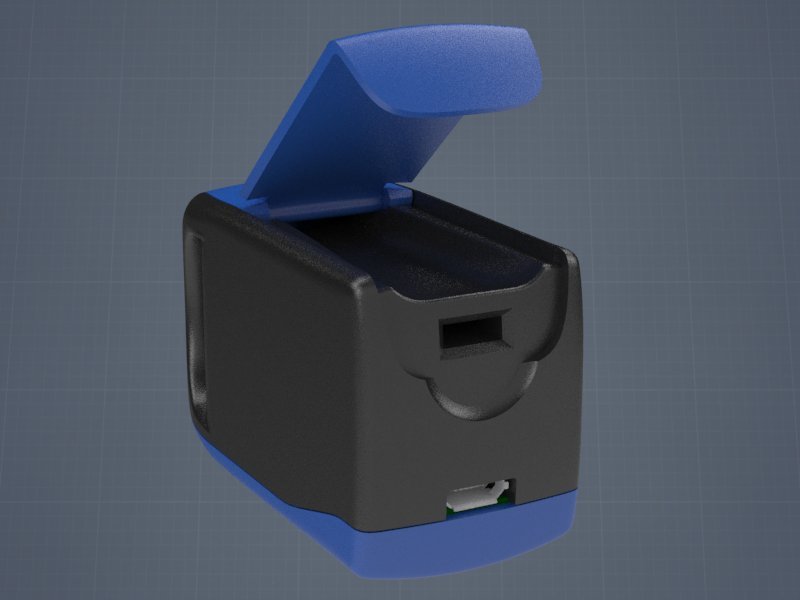
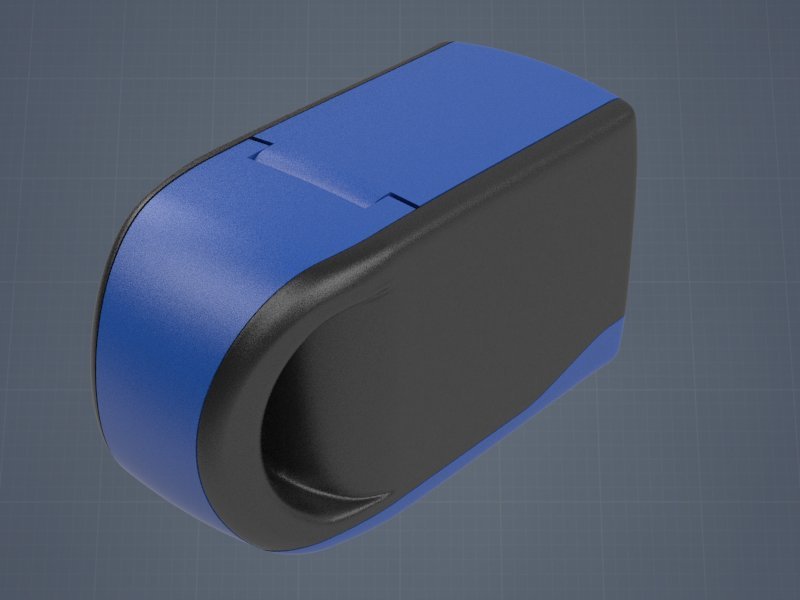
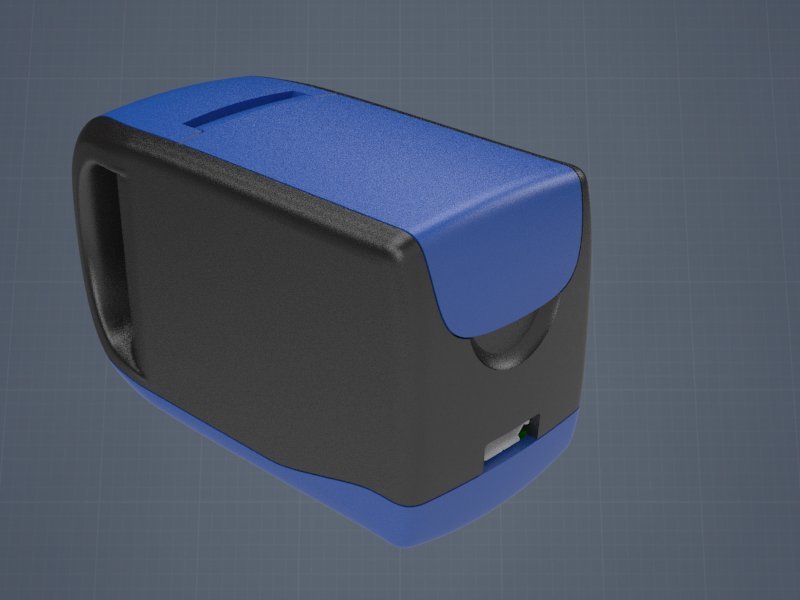
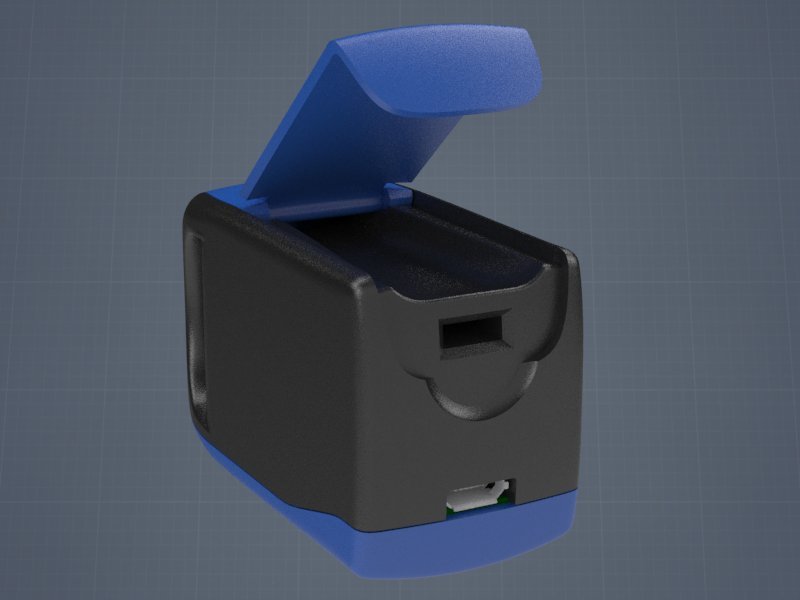
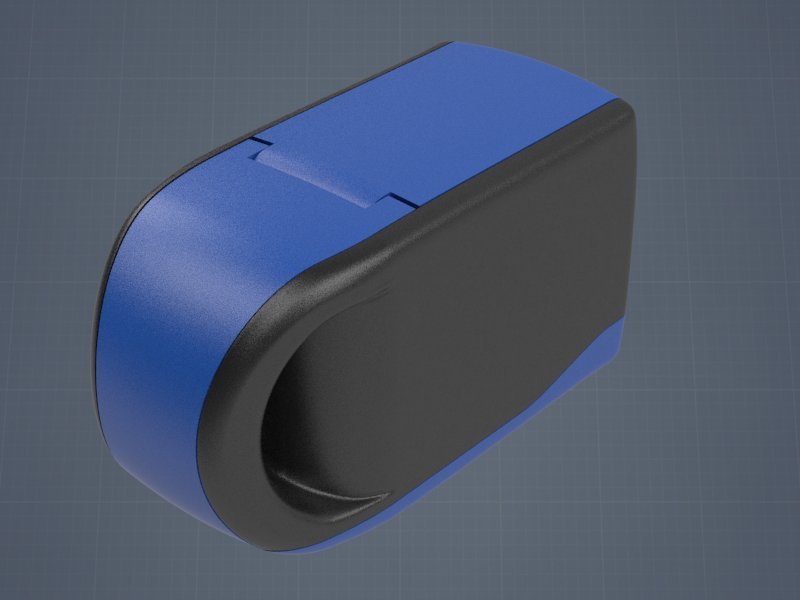
Building on prior GlucosAlarm iterations, this variant uses disposable strips wetted with urine, air-dried briefly, then inserted for electronic analysis and Bluetooth data transmission. I was commissioned to design a keychain form factor prioritizing portability, ease of strip insertion/measurement, and component integration while avoiding fixed setups.
Design
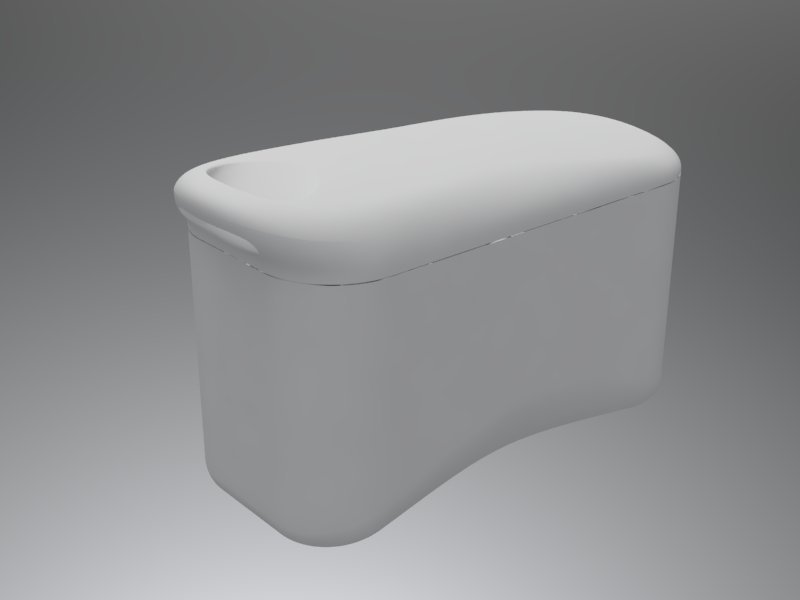
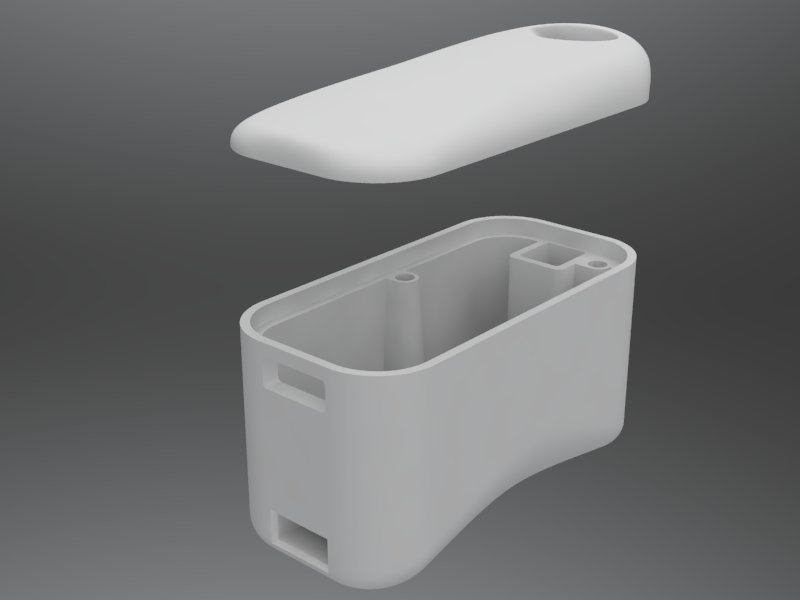
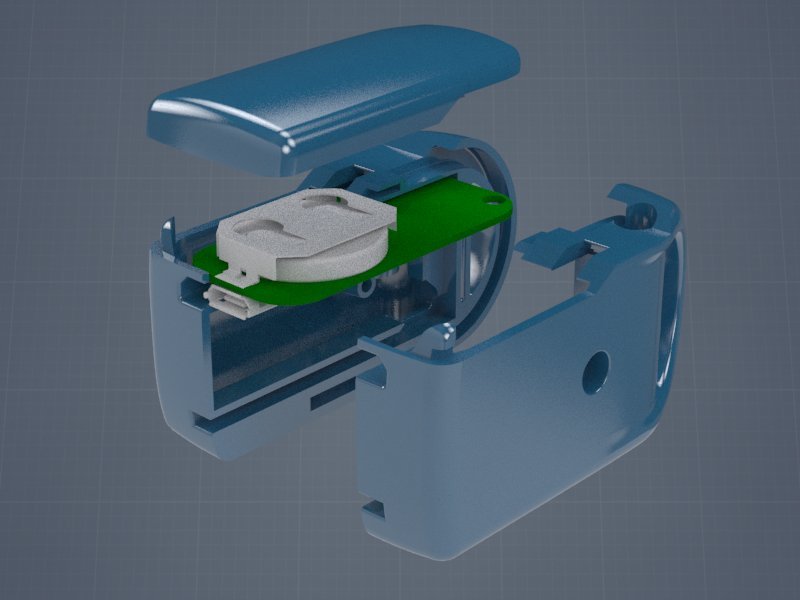
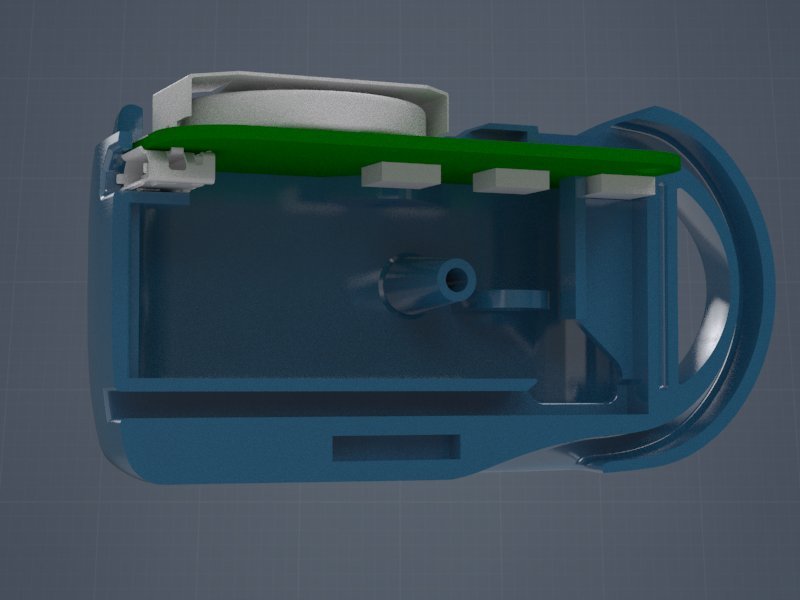
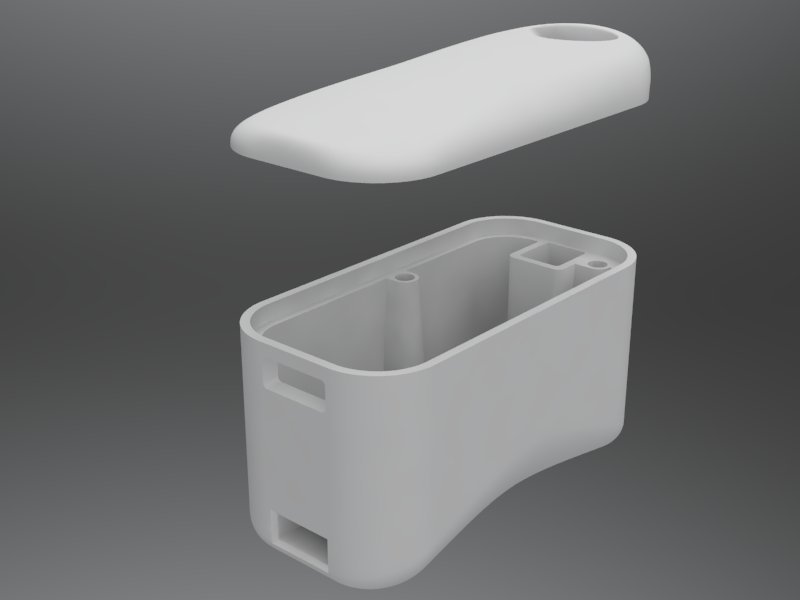
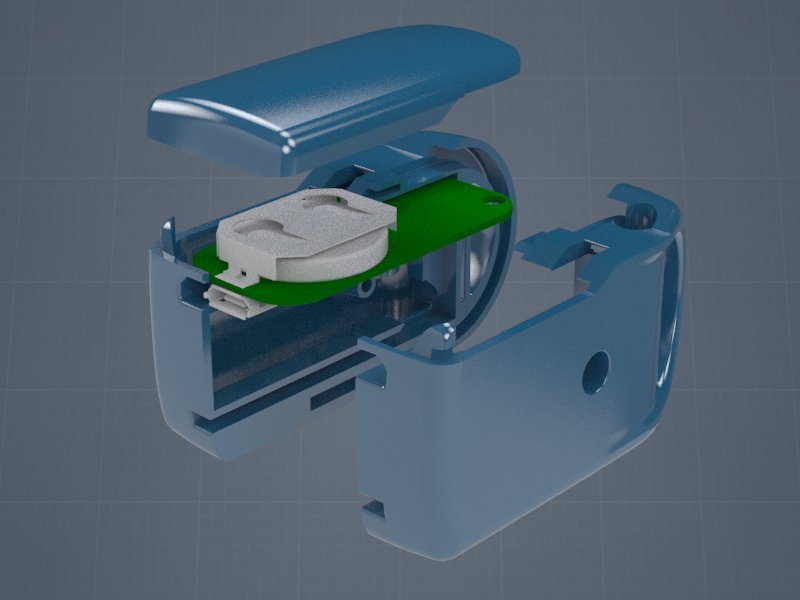
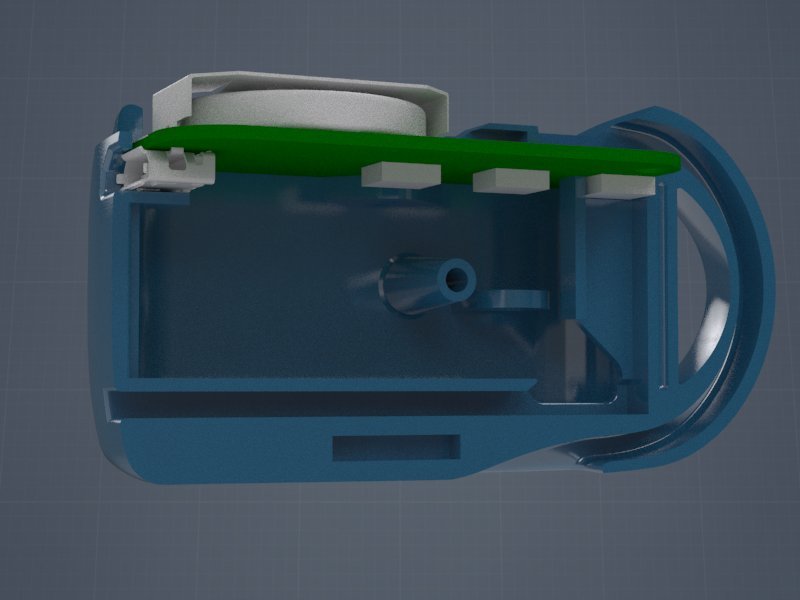
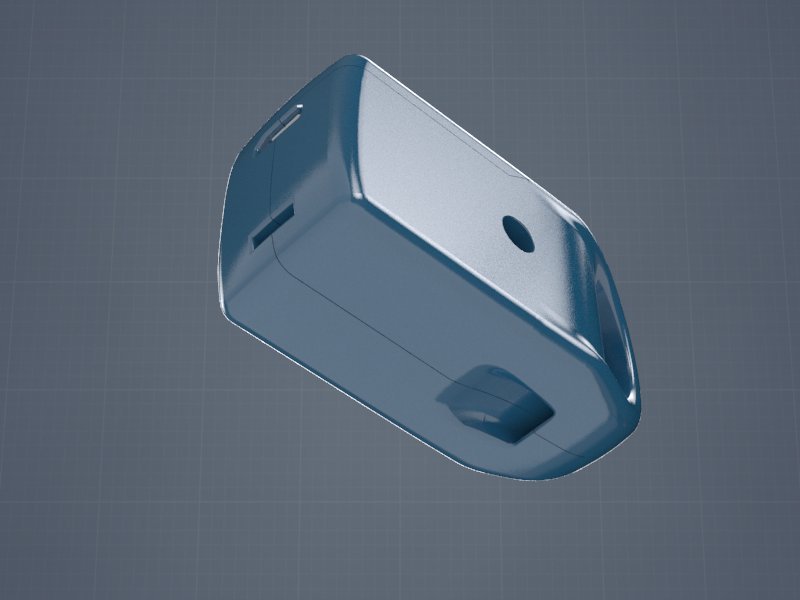
I conceptualized a sleek keychain device with ergonomic curves for handling and a dedicated slot for storing fresh strips. The MVP was engineered for 3D printability, optimizing internal layout for sensors, battery, and electronics to ensure compact size, user-friendly operation, and reliable measurements.
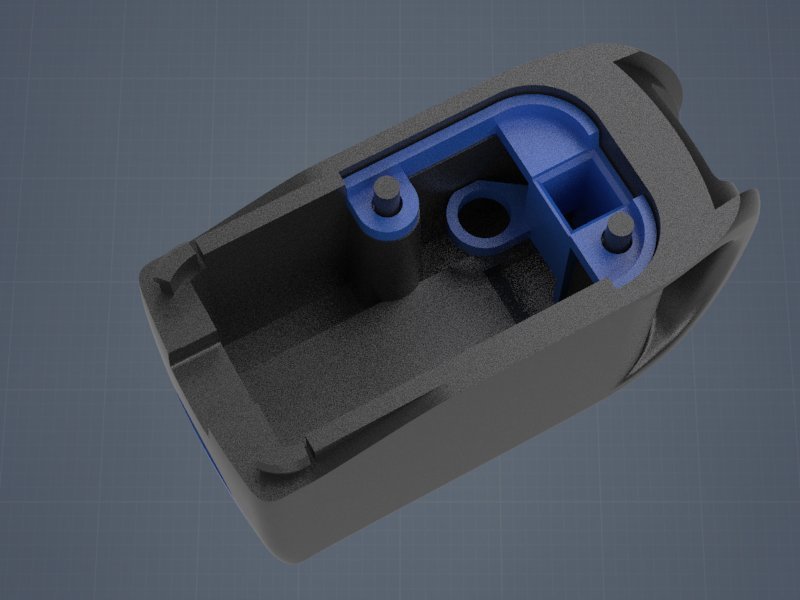
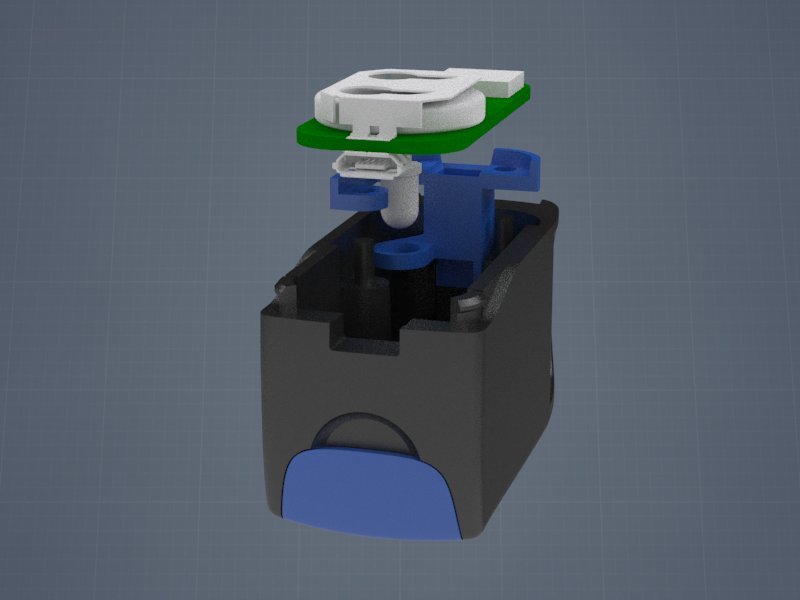
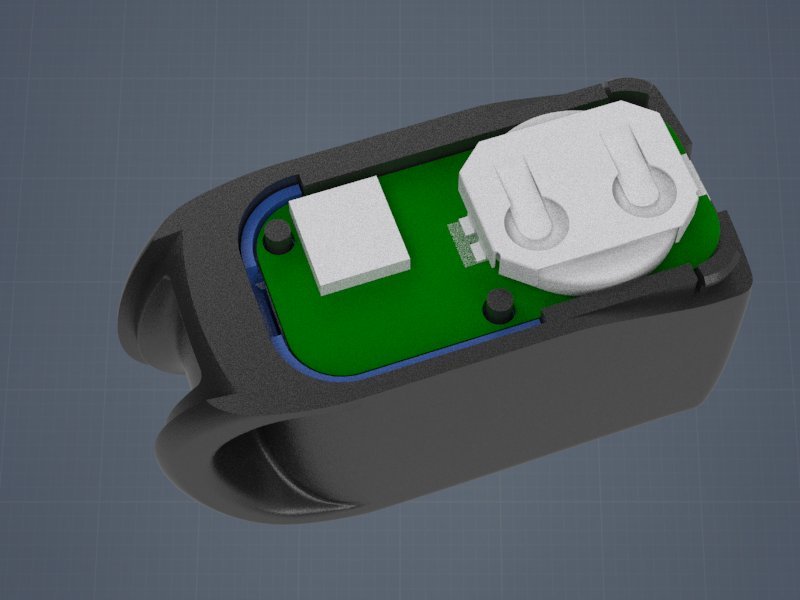
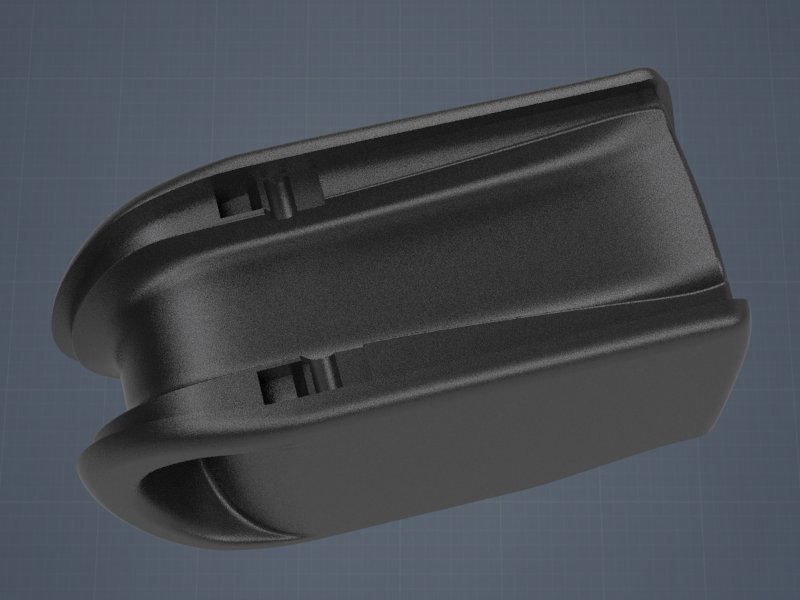
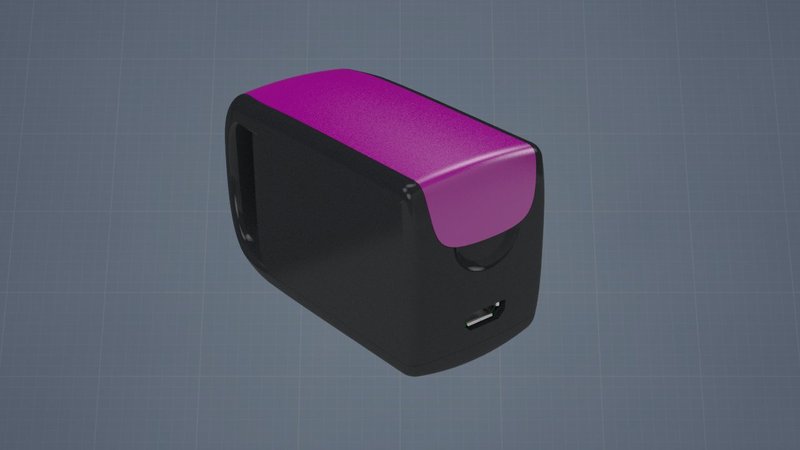
Challenges and Opportunities
Similar to earlier versions, third-party mediation slowed communication and iterations. With direct access to client feedback via their 3D printer, I refined designs efficiently—most models approved with minor print adjustments. This honed my skills in portable DFM and emphasized agile prototyping for compact devices.
Contribution and Recognition
Despite agreement for design credits in patent submissions, this was disregarded. Patent US20190302108A1 ("Reagent Strips Reader for Analytes Measurement in Body Fluids Connected to a Smartphone with Emergency Function") incorporates my keychain models, enclosure designs, strip integration, and engineering concepts, as seen in figures depicting the portable reader. While uncredited, my work enabled the functional prototype and application. This reinforced prioritizing explicit IP clauses in freelance contracts.
Initial Versions and Other concepts